Author Archives: Traditional Door

Behind the Craftsmanship – How Custom Wood Doors Are Designed and Built

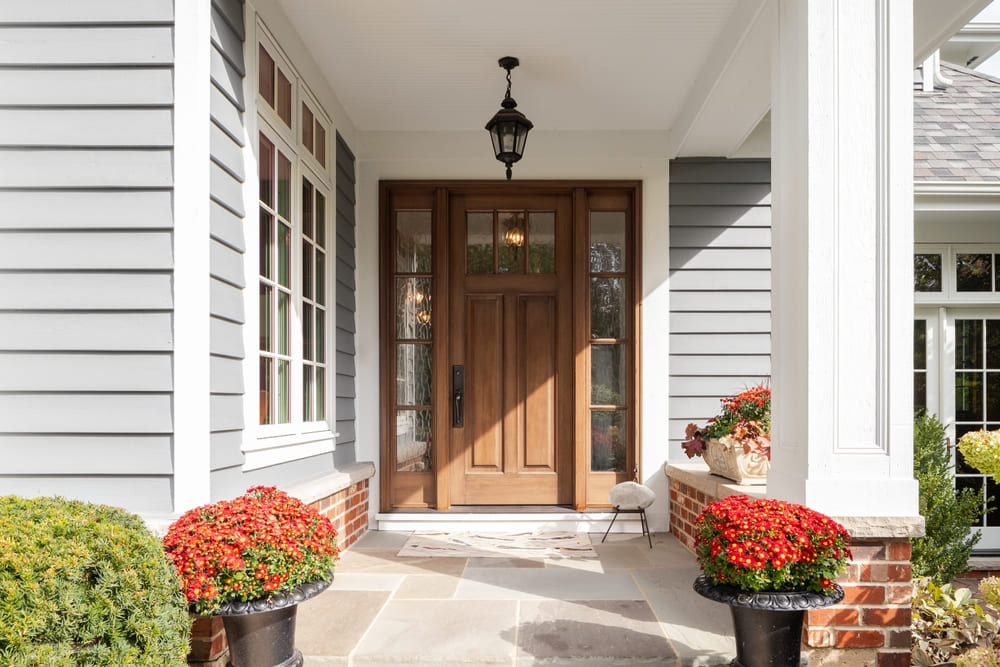
Custom solid wood entry door with glass panels, flanked by classic white columns and stone detailing, showcasing timeless craftsmanship on a traditional-style home exterior.

At Traditional Door, every door begins with an idea—an expression of design and function brought to life through precision, craftsmanship, and decades of experience. Custom wood doors are more than architectural elements; they are statements of quality and individuality. Here’s a closer look at how they are thoughtfully designed and expertly built.

From Vision to Blueprint: The Design Process

Each custom wood door begins with a detailed consultation. Whether the client has a fully developed concept or is seeking inspiration, our team collaborates closely to define the size, style, and material specifications that suit their space. We consider everything from architectural style and millwork compatibility to finish preferences and glass options.

Designs are translated into technical drawings using CAD software, ensuring accuracy before production begins. These plans guide the entire build process and allow for precise customization.

Choosing the Right Wood Species

Selecting the right wood is essential. We offer a range of premium hardwoods—such as mahogany, white oak, walnut, cherry, and maple—each chosen for its grain, tone, and performance. The selection is based on the desired aesthetic, the installation environment, and the finishing requirements.

Our in-house experts assess and prepare each board, hand-picking lumber that meets our high standards for consistency and quality.

Joinery and Construction Techniques

Once the design and materials are finalized, skilled artisans craft the door using traditional woodworking techniques combined with modern innovations. Mortise and tenon joints, dowel reinforcements, and engineered core construction ensure long-term stability and strength—especially important for exterior doors exposed to the elements.

Each component is cut, shaped, and assembled with care. Raised panels, mouldings, profiles, and any integrated elements like glass inserts or hardware openings are completed during this phase.

Custom Carving and Millwork Details

Many of our custom doors include carved detailing or unique millwork profiles. These are hand-finished or CNC-milled depending on complexity, with artisans carefully refining every curve, bevel, and edge to meet the design intent.

Architectural embellishments, such as decorative panels or custom mouldings, are made to complement surrounding millwork, creating seamless transitions between door and wall.

Sanding, Staining, and Finishing

Finishing plays a vital role in both protecting and highlighting the door’s character. After a meticulous sanding process, stains or paint finishes are applied by hand in our finishing department. Multiple coats ensure durability and depth, whether the client wants a clear finish that enhances the wood grain or a bold, painted surface.

We also offer distressing, glazing, or custom sheen levels for a more aged or contemporary appearance.

Hardware Integration and Quality Control

The final steps include prepping for hardware—hinges, locks, pulls—and inspecting each element for structural and aesthetic quality. Before the door is packaged for delivery or installation, it undergoes a comprehensive quality control process, ensuring it meets the exact specifications of the design.

Built for Timeless Beauty

A custom wood door from Traditional Door is more than a functional piece—it’s a legacy of craftsmanship. Each door is built to order, made to last, and designed to enrich the space it serves for decades to come.

Looking to Bring Your Vision to Life?

Let us help you design a custom wood door that reflects your home’s character and your personal style. Contact us today to get started!

Walk-In Closet Dreams: Maximizing Space and Style with Custom Solutions

A walk-in closet is more than just a luxury—it’s an extension of your lifestyle. Whether you dream of a boutique-inspired space or a functional storage hub, custom walk-in closet solutions allow you to maximize square footage, simplify your routine, and showcase your personal style.

The Benefits of a Walk-In Closet

Walk-in closets offer ample room to store, organize, and display your wardrobe and accessories. Unlike traditional closets, they provide:

  • Enhanced organization with designated zones for clothes, shoes, and accessories
  • Increased visibility so you can easily find items
  • Space for seating, mirrors, and lighting to create a dressing room experience
  • A sense of luxury that adds value to your home

Tailored Storage Solutions

The beauty of a custom closet lies in its flexibility. Every element is designed around your lifestyle and storage needs. Consider adding:

  • Adjustable shelving for shoes and folded items
  • Double-hanging rods to maximize vertical space
  • Pull-out accessories like tie and belt racks
  • Built-in drawers for undergarments and jewelry
  • Glass doors and lighting to elevate the design

These features not only keep your wardrobe organized but also help you maintain a clutter-free, inspiring space.

Style Meets Function

Your walk-in closet should reflect your personal taste while serving its purpose. Whether you prefer modern minimalism or classic elegance, custom finishes and materials like wood veneers, matte lacquers, and decorative hardware bring your vision to life. Add visual interest with:

  • Mirrored or paneled doors
  • Textured back panels
  • Custom islands with display cases
  • Statement lighting like chandeliers or LED strips

The result is a space that feels just as styled as the wardrobe it holds.

Smart Design for Small Spaces

Even modestly sized walk-in closets can be transformed with smart design. Built-ins, corner units, and wall-to-wall cabinetry help you make the most of every inch. Don’t forget to include:

  • Overhead storage for seasonal items
  • Narrow drawers for accessories
  • Full-length mirrors to open up the space

A professional closet designer can help assess your space and create a layout that optimizes storage while maintaining an open, airy feel.

Bring Your Dream Closet to Life

Investing in a custom walk-in closet is an investment in your home and your daily routine. The right design elevates how you start and end your day, keeping everything within reach and beautifully displayed.

Ready to turn your walk-in closet dreams into reality? Connect with a design specialist today and explore the custom solutions that bring your space to life.

Modern Elegance: Incorporating Glass Elements into Interior Doors

Interior design is constantly evolving, and one of the most sophisticated ways to introduce light, texture, and style into a space is by incorporating glass elements into interior doors. Whether you’re designing a contemporary loft or upgrading a classic home, glass-infused doors can bridge aesthetics with function—creating a seamless flow between rooms while maintaining subtle privacy.

Why Choose Glass Interior Doors?

Glass interior doors offer the best of both worlds: structure and transparency. They define spaces without closing them off, allowing natural light to flow freely throughout your home or office. For smaller or darker areas, they can be especially transformative—adding brightness and the illusion of more space.

But glass doesn’t mean compromising privacy. With a wide variety of glass options—from clear and frosted to textured and tinted—there’s a solution for every setting and style.

Types of Glass Used in Interior Doors

  1. Clear Glass
    Perfect for connecting shared spaces like kitchens and dining rooms. Clear glass adds openness while maintaining a defined threshold.
  2. Frosted or Etched Glass
    Ideal for bathrooms, home offices, or bedrooms where privacy is essential. Frosted glass maintains a bright atmosphere while diffusing visibility.
  3. Textured Glass
    With unique patterns and finishes, textured glass adds artistic flair. It’s often used in French doors and transitional spaces for decorative impact.
  4. Tinted Glass
    Provides a sleek, modern aesthetic while slightly muting visibility. Tinted glass is often seen in offices or contemporary interiors.
  5. Leaded or Wrought Iron Glass
    These designs evoke classic charm and architectural depth, combining traditional elegance with modern craftsmanship.

Design Benefits of Glass Interior Doors

  • Natural Light Optimization: Brightens up interiors and reduces the need for artificial lighting during the day.
  • Visual Continuity: Enhances flow between rooms, especially in open-concept homes.
  • Custom Aesthetic: Choose from various panel configurations, glass styles, and frame materials for a design that suits your home.
  • Modern Luxury Appeal: Glass doors elevate the look of any room, giving it a high-end, custom feel.

Best Applications in the Home

  • French Doors for Living or Dining Areas
    Glass French doors offer timeless appeal while maximizing light transfer.
  • Sliding or Pocket Doors for Bedrooms or Offices
    Frosted or textured glass provides privacy with a contemporary edge.
  • Glass Panel Doors in Hallways or Closets
    Add style to transitional spaces and improve visibility into storage areas.
  • Glass-Accented Doors in Laundry or Utility Rooms
    Makes even the most functional spaces feel thoughtfully designed.

Pairing Glass Doors with Other Design Elements

To further enhance the impact of glass interior doors, consider complementary design elements:

  • Mouldings and Millwork: Framing your door with custom mouldings can add dimension and architectural interest.
  • Hardware Finishes: Polished chrome, brushed nickel, or matte black hardware can drastically shift the aesthetic from classic to ultra-modern.
  • Matching Decorative Glass Windows: Integrating similar glass elements into windows or transoms helps unify the look throughout your home.

Durability & Maintenance

Modern glass doors are built to last. Tempered safety glass is used in most applications, offering both strength and safety. Cleaning is simple—just a mild cleanser and soft cloth will keep them crystal-clear. If privacy or insulation is a concern, double-pane options or laminated glass can be used to enhance performance.

Custom Glass Interior Doors: A Worthwhile Investment

At Traditional Door Design and Millwork, we specialize in custom-built wood and glass doors that combine quality craftsmanship with striking design. Whether you’re envisioning a minimalist frosted-glass panel or an ornate wrought iron inlay, our design experts will work with you to tailor every detail to your home.

Bring Light and Sophistication into Every Room

Discover how our custom glass interior doors can transform your living space. Call us at 416-747-1992 or request a quote today.

Crowning Glory: The Impact of Baseboards and Trims on Interior Design

When it comes to interior design, the smallest details often leave the most lasting impressions. While paint colours, furniture, and lighting tend to steal the spotlight, architectural finishing touches like baseboards, trims, and mouldings are what truly elevate a space from average to artful. These often-overlooked elements quietly define transitions, frame focal points, and tie rooms together with polish and precision.

In this blog, we explore how baseboards and trims contribute to interior cohesion, highlight stylistic trends, and offer tips on selecting the right profiles to suit your space.

Defining the Role of Baseboards and Trims

Baseboards and trims serve both functional and aesthetic purposes. Functionally, they conceal gaps between walls, ceilings, and floors while protecting surfaces from scuffs, dents, and wear. Aesthetically, they add structure, rhythm, and balance to a room.

  • Baseboards run along the perimeter of the floor, anchoring walls and offering a clean transition from wall to flooring.
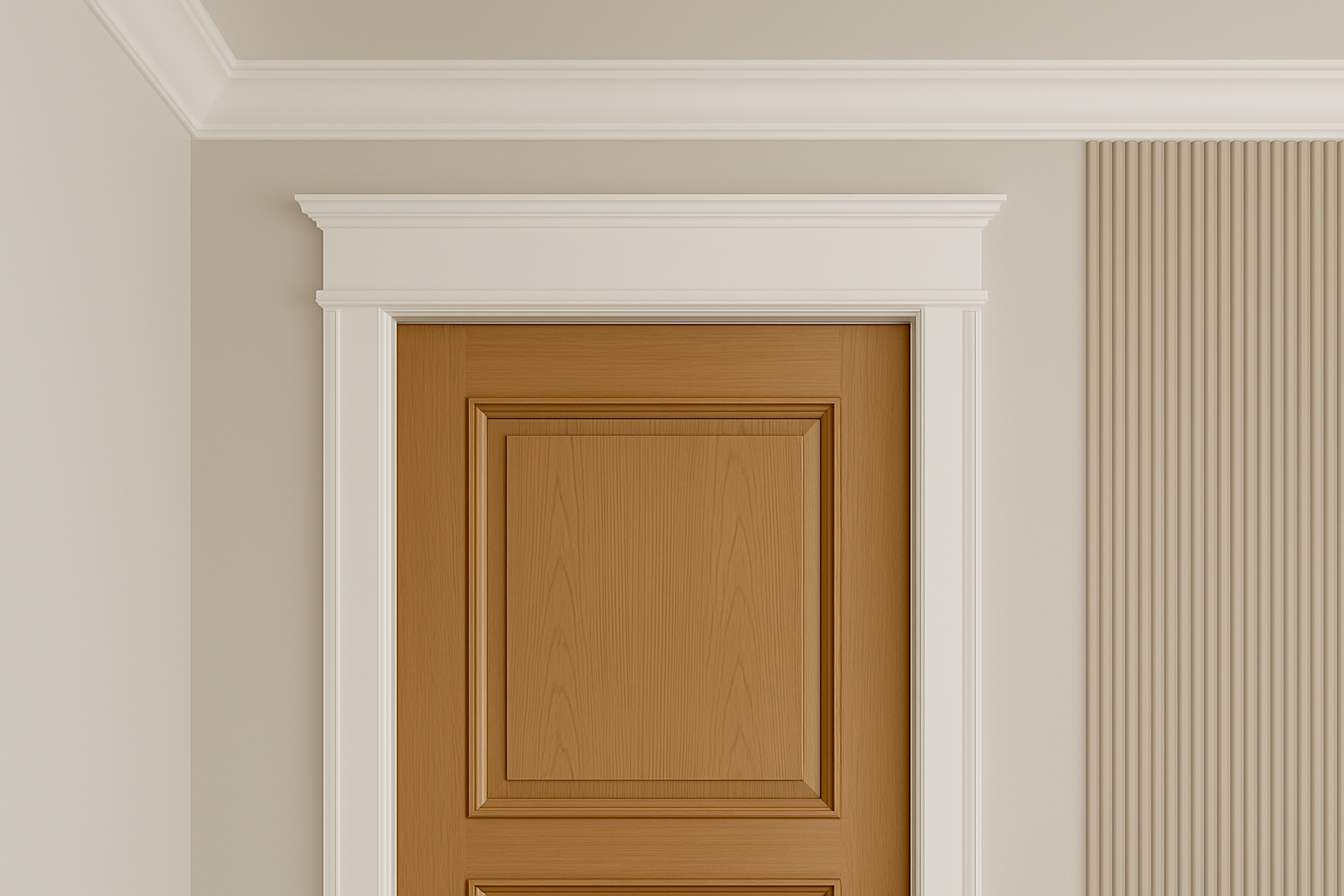
  • Casing trims are used around windows and doors, emphasizing architectural lines and creating visual order.
  • Crown moulding adds a graceful curve or edge where walls meet ceilings, drawing the eye upward and lending height and elegance.
  • Chair rails and panel moulding bring depth to walls, particularly in traditional or formal spaces. 

Together, these elements shape the bones of a room and offer opportunities to express style and character.

Visual Impact: Framing the Space

Baseboards and trims create defined borders that influence how a room is perceived. Much like a frame enhances a piece of artwork, mouldings and trims highlight the form of your walls and architectural features.

In open-concept layouts, consistent trim styles unify connected spaces, allowing sightlines to flow. In individual rooms, bold or decorative mouldings establish focal points or elevate understated finishes.

By defining edges and transitions, baseboards and trims give the eye structure to follow—resulting in a sense of calm, order, and intentional design.

Style Matters: Matching Trim Profiles to Interior Themes

Just like furniture and colour palettes, trim profiles vary widely in form and tone. Choosing the right design ensures your trim complements—not clashes with—your broader interior style.

Traditional Interiors

Ornate crown mouldings, tall baseboards, and detailed window casings work beautifully in traditional or classical interiors. Think bevels, scrollwork, and layered profiles that reflect elegance and historical character.

Modern and Contemporary Spaces

Clean lines, flat profiles, and minimal adornment are key. Low-profile baseboards and simplified casings in white or neutral hues support a sleek, minimalist aesthetic.

Transitional Design

Combining the best of old and new, transitional spaces benefit from medium-sized mouldings—neither too ornate nor overly minimalist. This balance keeps the look approachable and timeless.

Materials and Finishes: What to Consider

When selecting trim and baseboard materials, consider both appearance and practicality:

  • MDF (Medium Density Fiberboard): A cost-effective option that’s smooth, easy to paint, and suitable for most interior applications.
  • Solid Wood: Offers natural grain and durability, ideal for staining or where a classic finish is desired.
  • PVC or Polystyrene: Moisture-resistant options for basements, bathrooms, or other high-humidity areas. 

Finishes can enhance your style. White-painted trims are timeless and versatile, while darker stains add contrast and richness. Some designers even colour-match trims to walls for a seamless, contemporary look.

Baseboard Heights and Crown Moulding Proportions

Size and scale are crucial. The height of baseboards or the depth of crown moulding should be proportionate to the ceiling height and room dimensions.

  • Ceilings under 8 feet: Use 3–5 inch baseboards and shallow crown mouldings.
  • Ceilings 9–10 feet: Opt for 5–7 inch baseboards and medium-depth crown profiles.
  • Ceilings above 10 feet: Consider 7 inches or more for baseboards and grander crown mouldings to complement the vertical space. 

Too small, and trim gets lost. Too large, and it can overwhelm the room.

Custom Trim and Millwork: A Tailored Touch

For those seeking a one-of-a-kind finish, custom millwork provides endless opportunity. From bespoke baseboards to coffered ceilings, custom trim details add craftsmanship and cohesion that reflect your personal taste and home’s architecture.

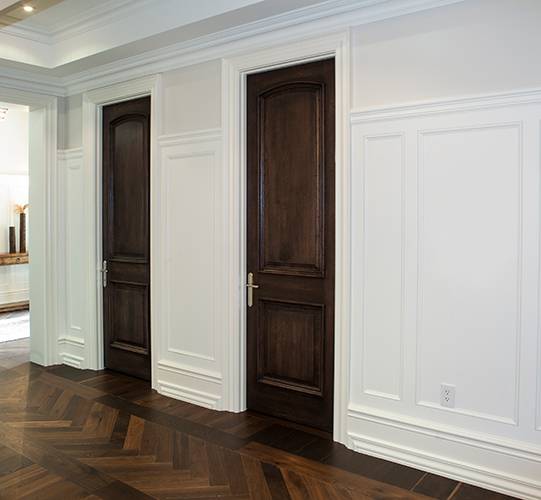
Pairing custom trim with other woodwork—such as custom wood doors, feature walls, or cabinetry—creates a curated, upscale atmosphere. It’s especially impactful in heritage homes or high-end renovations where character and continuity are key.

Installing with Intention

Even the most beautiful trim can fall short if not installed with care. Mitred corners, level reveals, and smooth finishes are essential for a professional look.

When planning a renovation or new build, consider your trim scheme early in the process. This allows for consistent detailing across doors, windows, and flooring transitions—and avoids retroactive compromises.

In addition, align trim lines with architectural features like chair rails or built-ins to create a coherent visual flow.

The Quiet Heroes of Interior Design

Baseboards and trims may not always steal the spotlight, but their impact on the feel, flow, and finish of a space is undeniable. These architectural accents frame your rooms, define your design intent, and elevate everyday spaces into polished, cohesive environments.

Whether you’re refreshing a single room or designing an entire home, give thought to the edges and borders—because in interior design, the finishing touches truly are the crowning glory.

The Ultimate Guide to Wall Cladding: Adding Texture and Depth to Your Space

Wall cladding is more than just a finishing touch—it’s a design statement. As homeowners and designers alike seek innovative ways to bring personality, warmth, and structure to their interiors and exteriors, wall cladding has emerged as a go-to solution. Whether you’re renovating, building new, or simply updating a room, wall cladding offers a dynamic way to add texture, depth, and architectural interest to any space.

In this comprehensive guide, we’ll explore what wall cladding is, the various types available, key design benefits, materials to consider, and how to choose the best option for your project.

What Is Wall Cladding?

Wall cladding refers to the application of one material over another to form a protective or decorative layer. It can be used on both interior and exterior walls, serving functional purposes—such as insulation and moisture resistance—as well as aesthetic ones.

Cladding can come in the form of panels, tiles, boards, or sheets and is made from a wide range of materials, each offering a unique look and feel. From natural stone and wood to metal and modern composites, the possibilities are virtually endless.

The Design Power of Wall Cladding

Wall cladding adds depth and texture to spaces that might otherwise feel flat or lifeless. A feature wall clad in reclaimed wood, for example, can instantly warm up a modern interior, while stone or brick cladding introduces organic character and timeless appeal.

In design terms, cladding does more than decorate. It defines zones, frames views, and enhances ambiance. Used correctly, it becomes a design focal point—drawing the eye, breaking up monotony, and providing tactile richness.

Types of Wall Cladding

There are many types of wall cladding to suit every aesthetic and application. Below are some of the most popular:

1. Wood Cladding

Wood offers warmth, versatility, and timeless appeal. Common styles include shiplap, tongue-and-groove boards, and vertical or horizontal planks. It can be stained, painted, or left natural to suit your style. Reclaimed wood is particularly popular for its eco-friendly appeal and rustic charm.

2. Stone Cladding

Natural stone cladding—like slate, granite, or limestone—adds rugged texture and durability. It’s ideal for feature walls, fireplaces, and exterior facades. Faux stone veneers offer the same aesthetic with easier installation and lighter weight.

3. Brick Cladding

Exposed brick brings urban edge and industrial cool to both modern and rustic spaces. Brick slips or veneers can replicate the look of full bricks without the need for structural changes.

4. Metal Cladding

Often used in contemporary or industrial designs, metal cladding—such as aluminum, zinc, or steel—provides a sleek, modern look. It’s weather-resistant and low-maintenance, making it ideal for exteriors and accent walls.

5. PVC and Vinyl Cladding

Affordable, lightweight, and available in various finishes, these options are ideal for moisture-prone areas such as bathrooms or basements. Some mimic the look of wood or stone, offering a budget-friendly alternative.

6. Tile Cladding

Tiles bring pattern, color, and waterproof functionality to kitchens, bathrooms, and outdoor spaces. Available in ceramic, porcelain, and even concrete, tile cladding is highly customizable.

7. Composite Cladding

Made from a blend of wood fibers and plastic, composite cladding combines the look of natural materials with enhanced durability. It’s insect-resistant, rot-proof, and ideal for both interior and exterior applications.

Benefits of Wall Cladding

Whether functional or aesthetic, wall cladding offers a variety of compelling advantages:

  • Aesthetic Impact: Instantly enhances a room with color, texture, and pattern.
  • Protection: Shields surfaces from moisture, temperature changes, and physical damage.
  • Insulation: Adds thermal and acoustic insulation.
  • Durability: High-quality cladding materials extend the life of your walls.
  • Low Maintenance: Many cladding options are easy to clean and require minimal upkeep.
  • Sustainability: Eco-conscious options like reclaimed wood or recycled materials are widely available. 

Where to Use Wall Cladding

The versatility of wall cladding makes it suitable for nearly any area of your home or commercial space:

  • Living Rooms: Create a cozy backdrop with wood or stone cladding.
  • Bedrooms: Add texture behind the bed with upholstered or timber panels.
  • Kitchens: Use tile or metal panels for backsplash and accent walls.
  • Bathrooms: Moisture-resistant panels and tiles enhance function and form.
  • Entryways and Hallways: Make a statement from the moment guests walk in.
  • Exteriors: Improve curb appeal with durable, weather-resistant cladding. 

Choosing the Right Material for Your Project

When selecting wall cladding, consider the following factors:

  • Environment: Will the cladding be used indoors or outdoors? Moisture levels and temperature fluctuations should guide your material choice.
  • Style: Choose a material and texture that complements your existing decor and architectural style.
  • Maintenance: Consider how much time and effort you’re willing to invest in upkeep.
  • Budget: Materials vary widely in cost. Set a budget before selecting, and explore alternatives that offer similar aesthetics.
  • Installation: Some cladding materials are DIY-friendly, while others require professional help. 

Installation Considerations

Installing wall cladding may involve mounting systems, adhesives, or framing. Before starting, ensure your walls are prepared and level. In some cases, you’ll need a moisture barrier or insulation layer beneath the cladding.

For interior applications, especially on drywall, lighter materials like wood veneer, tile, or PVC panels are preferred. Exterior cladding should be weather-resistant and securely fastened to withstand wind and temperature changes.

If in doubt, consult with a professional contractor to ensure safety, durability, and visual impact.

Trending Cladding Styles in Interior Design

Wall cladding is evolving. Here are some current trends to inspire your next project:

  • Slatted Wood Panels: Offering a modern twist with rhythmic texture.
  • Charred Wood (Shou Sugi Ban): Adds a dramatic, weathered look.
  • Mixed Materials: Combining wood, metal, and stone for a layered aesthetic.
  • Matte Finishes: Understated elegance for a clean, modern look.
  • Geometric Patterns: Panels that play with form and dimension. 

These trends reflect a broader movement toward tactile, authentic design—where surfaces invite touch and materials tell a story.

Maintenance Tips for Long-Lasting Cladding

Different materials have different maintenance needs. Here’s a general guide:

  • Wood: Requires occasional sealing or staining to maintain appearance and durability.
  • Stone/Brick: Use a mild detergent and soft brush for cleaning. Avoid harsh chemicals.
  • Metal: Wipe down with a damp cloth; check for rust or scratches periodically.
  • Tile: Regular cleaning with non-abrasive products keeps grout and surfaces fresh.
  • Composite/PVC: Simply rinse with water or wipe with a soft cloth as needed. 

Routine upkeep not only preserves the look but also extends the life of your cladding investment.

Transform Your Space with Wall Cladding

Wall cladding is a powerful design tool that adds texture, depth, and character to any space. Whether you’re aiming for cozy and rustic, sleek and modern, or anything in between, there’s a cladding material and style to match your vision.

From living rooms to facades, the right cladding elevates your surroundings and enhances your lifestyle. With a wide range of materials, textures, and installation options available, the possibilities are as limitless as your creativity.

Ready to redefine your space? Consider incorporating wall cladding into your next design project—and enjoy the lasting impact of this architectural essential. Contact us today to learn more!